Choosing Christmas tree decorations sounds simple enough until you start shopping. Suddenly, there are champagne baubles, burgundy ribbons, pink ornaments, blue lights, and about seventeen shades of gold to choose from. And somehow, they all look like they belong on your tree.
If you’re ready to try something different this year, Christmas tree color trends are a wonderful place to start. The right combination of colors can completely change the look of your holiday decorations, whether you love traditional Christmas charm, elegant neutrals, playful pink accents, or something a little more unexpected.
The best part? You don’t need to buy an entirely new collection of ornaments to create a beautiful tree. Sometimes, changing your ribbon, introducing a new accent color, or rearranging decorations you already own is enough to give your tree a fresh look.
From timeless red and gold to sophisticated burgundy, icy blue, and earthy woodland shades, these 16 Christmas tree color ideas will help you find a style that feels right for your home.
Let’s find your Christmas tree’s new favorite outfit!
1. Classic Red and Gold Christmas Tree
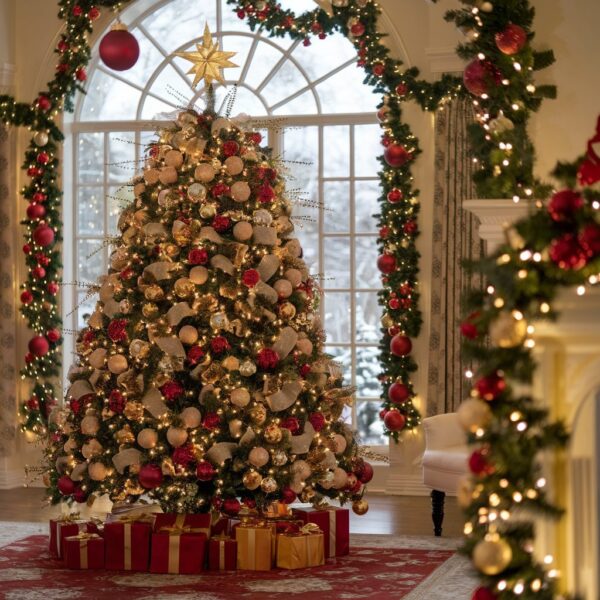
Some Christmas color combinations never seem to lose their charm, and red and gold is a perfect example. This timeless pairing creates a warm, festive look that feels right at home in traditional living rooms, elegant family spaces, and homes decorated for a classic Christmas.
Start with a green Christmas tree and decorate it with glossy red baubles, champagne-gold ornaments, and warm white fairy lights. Add a few gold ribbon bows throughout the branches to bring everything together without making the tree feel overly formal.
For a more sophisticated finish, mix different ornament textures instead of using only shiny baubles. Matte red decorations, brushed gold ornaments, and a few glass pieces create depth while allowing the natural greenery to remain visible.
The Finishing Touch
Choose one shade of red and repeat it throughout the tree, from the larger baubles to the smallest decorative accents. This helps the arrangement feel coordinated rather than as though every ornament arrived from a different Christmas party.
2. Champagne Gold and Ivory Christmas Tree
If you love Christmas decorations that feel elegant, soft, and understated, champagne gold and ivory are beautiful colors to consider. This combination creates a luxurious holiday look without relying on bright colors or excessive sparkle.
Begin with warm ivory ornaments in a mixture of matte, glossy, and textured finishes. Add champagne-gold baubles, delicate gold ribbon, and warm white lights to create a gentle glow throughout the branches.
Cream velvet bows and clear glass ornaments can make the tree feel even more refined. These subtle details work especially well in neutral living rooms with beige sofas, cream curtains, natural wood furniture, or warm metallic accents.
You can also introduce a few pearl-like ornaments for a delicate finishing touch. Just remember that the goal is a softly layered look, not a tree that reflects so much light you need sunglasses to admire it.
For an Elegant Finish
Use champagne gold as your accent color rather than covering every branch in metallic decorations. Leaving some green foliage visible gives the tree a more natural, balanced appearance.
3. Burgundy and Gold Christmas Tree
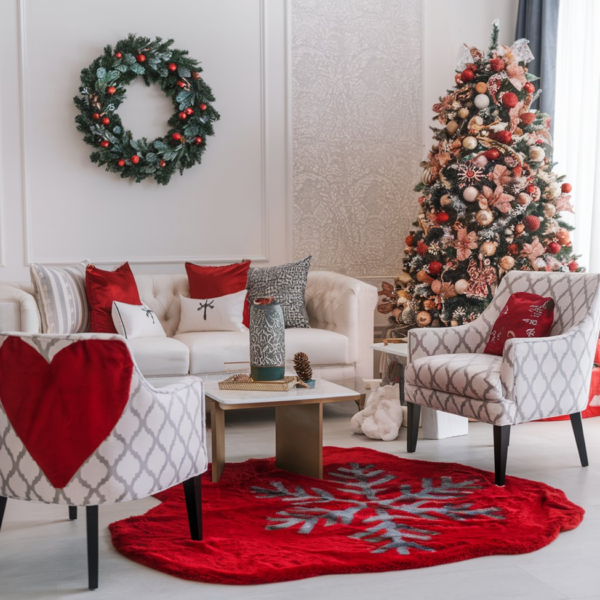
Burgundy is an excellent choice if you want your Christmas tree to feel rich, cozy, and a little more dramatic than the usual red-and-green combination. Its deep wine-inspired tones bring warmth to holiday decorating and pair beautifully with gold accents.
Choose burgundy baubles in a mixture of matte and glossy finishes, then add gold ornaments and warm white lights. Velvet ribbons in burgundy can introduce softness, while a few gold decorative picks add height and texture between the branches.
This palette looks especially beautiful against dark wood furniture, cream walls, neutral upholstery, and other warm interior finishes. It also works wonderfully with traditional Christmas decorations when you want to update the look without abandoning familiar holiday colors.
For a layered appearance, combine burgundy with subtle touches of dusty rose or muted blush. These softer shades can keep the deeper color from feeling too heavy.
A Little Trick
Repeat burgundy in a few places around your living room, such as a cushion cover, a throw, or a small festive arrangement. This creates a connection between your Christmas tree and the rest of the room without requiring a complete seasonal makeover.
4. Icy Blue and Silver Christmas Tree
Dreaming of a winter wonderland? Icy blue and silver create a cool, sparkling Christmas tree palette inspired by frost, snow-covered branches, and clear winter skies.
Start with pale blue and silver baubles, then introduce a few clear glass ornaments to reflect the tree lights. Silver ribbon, snowflake decorations, and warm or cool white fairy lights can complete the frosty effect, depending on the atmosphere you prefer.
This combination works particularly well with white walls, gray furniture, glass accents, and contemporary interiors. A flocked Christmas tree can enhance the snowy appearance, although the color combination looks lovely on a traditional green tree too.
For more dimension, mix pale blue with slightly deeper icy-blue ornaments rather than using a single shade throughout. The variation helps the decorations stand out against the branches.
Keep in Mind
Silver ornaments can reflect surrounding light, so you may need fewer of them than expected. Combine shiny pieces with matte finishes to create contrast without making the tree look overly glittery.
5. Forest Green and Gold Christmas Tree
Green-on-green decorating is a beautiful way to create a Christmas tree that feels natural, rich, and thoughtfully styled. Instead of relying on several contrasting colors, this look celebrates different shades of green with gold providing a warm finishing touch.
Use emerald-green, forest-green, and muted sage ornaments to create subtle variation throughout the branches. Add gold baubles, delicate metallic ribbon, and warm white lights to brighten the darker greenery.
The secret to this palette is texture. Velvet bows, glossy glass ornaments, matte baubles, and natural-looking decorative foliage help distinguish the different shades of green.
This color combination is especially suitable for traditional, rustic, and nature-inspired homes. It also pairs beautifully with wooden furniture, linen upholstery, and other natural materials.
Nature’s Little Secret
Choose green ornaments that are noticeably different from the tree’s natural foliage so they don’t disappear into the branches. A few gold accents will help highlight the arrangement and give it a finished appearance.
6. Blush Pink and Champagne Christmas Tree
Pink Christmas trees have a way of making holiday decorating feel playful and elegant at the same time. Blush pink paired with champagne gold offers a softer alternative to traditional red decorations while maintaining a warm, festive atmosphere.
Begin with blush-pink baubles, champagne-gold ornaments, and warm white lights. Add pale pink velvet bows or delicate ribbon for a softer texture, then introduce a few clear glass ornaments to keep the arrangement from feeling too dense.
This palette works beautifully with cream, beige, white, and soft gray interiors. If you enjoy romantic decorating styles, you can also incorporate subtle rose-gold accents or a few pearl-like ornaments.
A green tree provides a lovely contrast against the pale pink decorations, while a flocked tree creates a dreamy, snowy appearance. Both options can work well, so choose the one that complements your existing room.
Make It Feel Grown-Up
Use blush pink as the main accent rather than mixing too many bright pink shades together. Champagne gold and warm white lights help balance the sweetness and create a more sophisticated result.
7. Black and Gold Christmas Tree
For a bold holiday look that feels modern and dramatic, black and gold make an unforgettable combination. This palette is particularly appealing if you prefer contemporary interiors, darker accent walls, or decorations with a more glamorous appearance.
Start with a traditional green tree and introduce black baubles in matte and glossy finishes. Add gold ornaments, metallic ribbon, and warm white lights to create contrast against the deep decorations.
Black velvet bows can add softness, while gold geometric ornaments bring a modern touch. If you want the tree to feel a little lighter, incorporate a handful of champagne or clear glass decorations.
This color scheme doesn’t have to make your living room feel dark. Keeping the surrounding decor relatively light and allowing the tree lights to shine through the branches can create a beautiful balance.
The Balancing Act
Let gold do most of the brightening while black provides contrast. A few carefully placed black ornaments often make a stronger statement than covering every branch in dark decorations.
8. Copper and Warm Bronze Christmas Tree
Copper and bronze are lovely alternatives to the more familiar silver and gold Christmas decorations. Their warm metallic tones create a cozy, autumn-inspired feeling that transitions beautifully into the holiday season.
Decorate your tree with copper baubles, bronze ornaments, and warm white fairy lights. Add a few champagne accents or natural wooden decorations to introduce variation without competing with the metallic finishes.
This palette looks especially attractive in rooms with warm wood furniture, caramel-colored upholstery, cream fabrics, and earthy accessories. It also works well with rustic and contemporary Christmas decorating styles.
To prevent the metallic shades from blending together, mix glossy copper ornaments with brushed bronze pieces and matte decorations. These small differences in texture can make the entire tree feel more carefully arranged.
Worth Trying
Add a few cream or ivory ornaments if your tree feels too dark or metallic. The lighter accents provide breathing room and help the copper and bronze decorations stand out.
9. Candy Cane Red and White Christmas Tree
If you love cheerful Christmas decorating, a red-and-white tree inspired by candy canes might be exactly what you’re looking for. This playful combination feels festive, familiar, and wonderfully suited to family homes.
Start with a green tree and decorate it with bright red baubles, white ornaments, and red-and-white striped decorations. Candy cane ornaments, white ribbon, and a few red bows can add personality without requiring an elaborate collection.
For a cleaner appearance, distribute the colors evenly throughout the branches rather than grouping all the red decorations on one side. You can also use different ornament sizes to keep the arrangement interesting.
If you want a softer version of this theme, replace some of the bright white decorations with warm ivory. The result will still feel festive but will have a gentler appearance.
A Festive Little Detail
Choose one or two candy-cane-inspired decorations as standout features and let the remaining ornaments support them. This keeps the tree playful without making it look like the decorations escaped from a sweet shop.
10. Jewel-Tone Christmas Tree
Why settle for one statement color when several rich shades can work beautifully together? Jewel tones such as emerald green, sapphire blue, ruby red, and amethyst purple can create a Christmas tree that feels colorful, luxurious, and full of personality.
Start with two or three jewel tones that complement one another, then use metallic gold accents to connect the palette. For example, emerald and sapphire create a rich combination, while ruby red and amethyst offer a more dramatic look.
Choose ornaments with different finishes, including glossy glass, matte baubles, and textured decorations. Warm white lights help soften the stronger colors and bring out their depth.
This look works particularly well if you enjoy maximalist decorating or want your Christmas tree to become the main feature of the living room. You can also incorporate velvet ribbon in one of your chosen shades to add a softer, more luxurious detail.
Choose Your Stars
Pick one dominant jewel tone, one supporting color, and one metallic accent. This simple approach allows you to use rich colors without creating unnecessary visual competition.
11. Natural Woodland Green, Brown, and Cream Christmas Tree
Not every Christmas tree needs glittering ornaments and metallic ribbon to feel special. A woodland-inspired palette of green, brown, and cream celebrates natural textures and creates a relaxed, cozy atmosphere.
Decorate your tree with wooden ornaments, cream baubles, pinecones, and natural-looking greenery. Add woven decorations, linen ribbon, or simple wooden bead garlands to give the arrangement a handcrafted appearance.
Warm white lights work particularly well with these earthy shades, creating a soft glow that highlights the different textures. If you prefer a slightly more polished finish, introduce a few champagne ornaments without losing the natural character of the tree.
This palette is ideal for rustic, farmhouse, Scandinavian-inspired, and nature-inspired interiors. It also works beautifully with woven baskets, wooden furniture, neutral textiles, and other natural materials.
Keep It Organic
Choose ornaments made from complementary materials rather than trying to match every shade perfectly. Slight differences in wood grain, woven texture, and natural greenery are part of what makes this style appealing.
12. Soft Lavender and Silver Christmas Tree
Lavender might not be the first color that comes to mind when you picture Christmas decorations, but it can create a surprisingly beautiful holiday display. Paired with silver, it feels cool, delicate, and a little unexpected.
Use pale lavender baubles, silver ornaments, and clear glass decorations to create a light, airy appearance. A few lavender ribbons or frosted decorative picks can add softness, while white lights bring out the cooler tones.
This palette works especially well in contemporary interiors with white, pale gray, or soft neutral finishes. If you want a slightly warmer result, introduce a small number of champagne ornaments to balance the silver.
A green tree offers a natural contrast against lavender decorations, while a flocked tree can make the colors appear even softer. Choose whichever option works best with your room and the atmosphere you want to create.
A Softer Approach
Use lavender in different intensities, from pale lilac to slightly deeper purple, while keeping silver as the connecting accent. This adds dimension without overwhelming the delicate color scheme.
13. Coastal Blue, Sand, and White Christmas Tree
If your favorite interiors feature ocean-inspired colors, a coastal Christmas tree could be a refreshing change from traditional holiday palettes. Blue, sandy beige, and white create a relaxed look that feels bright, natural, and easy to coordinate with neutral rooms.
Start with pale blue and white baubles, then introduce sandy beige ornaments and natural textures. White ribbon, subtle pearl-like decorations, and clear glass ornaments can help the tree feel light and airy.
For a more distinctive coastal look, add a few navy-blue ornaments to create contrast. Keep seashell-inspired decorations understated so the tree remains festive rather than looking like a summer display that forgot to leave.
This combination pairs beautifully with white walls, light wood furniture, linen fabrics, and rooms that already feature blue accents.
Bring the Colors Together
Repeat the blue and sandy tones in a few nearby accessories, such as cushions or a decorative throw. The connection makes the tree feel like part of your home’s overall design rather than a separate seasonal display.
14. Red, Green, and Gold With a Modern Twist
Traditional Christmas colors remain popular for a reason, but they don’t have to look old-fashioned. Red, green, and gold can feel fresh and contemporary when you experiment with the shades, textures, and proportions.
Instead of using only bright red ornaments and shiny gold baubles, try burgundy, deep forest green, and brushed gold. Add velvet ribbons, matte decorations, and a few modern geometric ornaments to give the tree a more updated appearance.
Keep the natural green branches visible and avoid covering every available space with decorations. The contrast between the foliage and the ornaments is part of what makes this familiar palette so attractive.
This approach is ideal if you love traditional Christmas decorating but want your tree to feel a little more refined this year.
The Modern Update
Choose one dominant color and let the other two support it. Deep green with burgundy and restrained gold accents, for example, creates a rich look without overwhelming the tree.
15. Rainbow Christmas Tree With Multicolored Ornaments
Sometimes, Christmas decorating should simply be fun. A rainbow-inspired tree filled with colorful ornaments creates a cheerful, nostalgic look that celebrates the playful side of the holiday season.
Use red, orange, yellow, green, blue, pink, and purple ornaments in a mixture of sizes and finishes. You can arrange the colors in distinct sections for a rainbow effect or distribute them throughout the branches for a more relaxed appearance.
White lights help the different colors stand out, while a simple tree topper keeps the overall display from becoming too busy. If you already own a collection of mismatched ornaments, this is an excellent opportunity to use them together rather than buying an entirely new set.
This style works particularly well in family homes, colorful interiors, and spaces where Christmas decorating is meant to feel joyful rather than formal.
Let It Be Playful
Try arranging ornaments in a loose color gradient from top to bottom if you want a more organized appearance. If you prefer a nostalgic, collected-over-time look, mix the colors freely and enjoy the cheerful result.
16. Frosted White and Natural Wood Christmas Tree
For a calm, winter-inspired Christmas tree, white and natural wood create a beautiful balance between softness and warmth. This combination feels understated and inviting, especially if you prefer neutral holiday decorations over bright seasonal colors.
Start with a green or lightly flocked tree and decorate it with white baubles, wooden stars, natural bead garlands, and cream ribbon. Warm white lights add a gentle glow, while a few textured ornaments bring depth to the arrangement.
The natural wood prevents the white decorations from feeling too stark, while the lighter ornaments stand out against the branches. You can also incorporate woven decorations or simple linen bows for an extra layer of texture.
This palette suits Scandinavian-inspired, minimalist, rustic, and modern farmhouse interiors. It is also easy to adapt using decorations you may already own.
The Secret to a Cozy Look
Mix smooth white ornaments with natural wood, knitted textures, and soft ribbon instead of relying on a single finish. These small variations make the tree feel warm and interesting without adding lots of extra color.
How to Choose the Right Christmas Tree Color Palette for Your Home
With so many beautiful Christmas tree color trends to consider, choosing just one can be surprisingly difficult. Before you fill your shopping cart with every pretty ornament you see, take a moment to think about your existing decor and the look you want to create.
Here are a few simple ways to narrow down your options.
Start With Your Living Room Colors
Look at your sofa, curtains, rug, wall color, and furniture finishes. If your living room is already decorated in cream and beige, champagne gold, ivory, woodland neutrals, or blush pink may fit naturally into the space.
For rooms with darker furniture or dramatic accents, burgundy, emerald green, black and gold, or jewel tones can create a beautiful contrast.
Choose Two Main Colors and One Accent
You don’t need five different colors to make a Christmas tree look interesting. Two main colors and one accent shade are often enough to create a coordinated arrangement.
For example, champagne and ivory work beautifully with warm gold, while icy blue and silver can be softened with a few clear glass ornaments.
Mix Ornament Textures
Color isn’t the only thing that makes a Christmas tree attractive. Matte baubles, glossy glass ornaments, velvet bows, wooden decorations, and woven details can add dimension even when you use only two colors.
Try combining different finishes within your chosen palette to keep the tree from looking flat or repetitive.
Work With the Decorations You Already Own
Before buying new ornaments, spread your existing decorations out and see which colors naturally work together. You may discover that you already have enough pieces for a fresh color scheme, especially if you introduce a new ribbon or a few carefully chosen accent ornaments.
There’s no Christmas decorating rule that says last year’s baubles are no longer invited.
Consider Your Tree’s Lighting
Warm white lights tend to complement red, gold, burgundy, champagne, and earthy colors beautifully. Cooler white lights can enhance icy blue, silver, and other winter-inspired palettes.
You can choose whichever lighting suits your style, but keep the color temperature reasonably consistent throughout the tree for a more cohesive appearance.
Wrapping It Up
The prettiest Christmas tree isn’t necessarily the one with the most expensive ornaments or the most decorations. Often, it’s the one where the colors work together, the textures add interest, and the overall look feels right for your home.
These Christmas tree color trends offer plenty of inspiration, whether you’re drawn to classic red and gold, sophisticated champagne and ivory, dramatic burgundy, playful rainbow ornaments, or the natural beauty of woodland shades.
You don’t have to start from scratch, either. Choose a palette you love, work with the decorations you already own, and introduce a few new details if needed.
And remember, your tree doesn’t have to look exactly like the one in a decorating magazine or on Pinterest. If it makes your home feel festive and brings a little extra joy to your holiday season, you’re doing it right.
Now, the only difficult decision left is choosing which color combination deserves the starring role this Christmas!