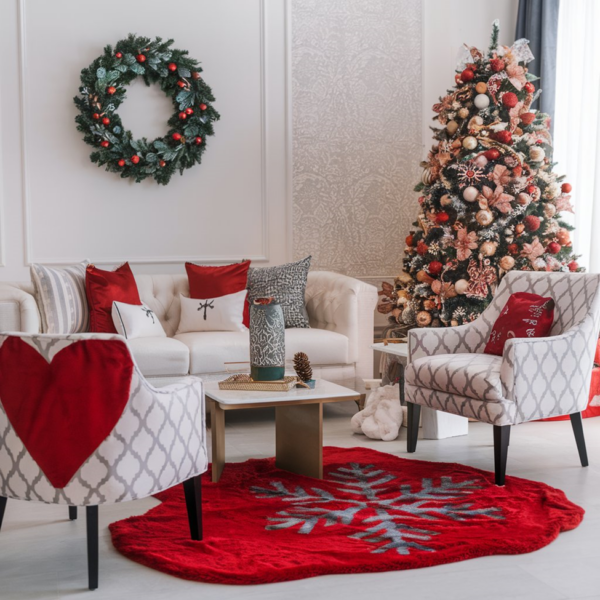
Decorating a Christmas tree sounds magical until you open the ornament boxes and discover red baubles, silver stars, a questionable glitter reindeer, and decorations you cannot remember buying. Suddenly, creating that beautiful holiday tree you imagined feels like a full-time job.
The secret to a stunning Christmas tree is choosing a theme before you start decorating. A clear color palette, a few complementary ornaments, and the right finishing touches can make the entire process easier while giving your tree that polished, professionally styled look.
From timeless red and gold to elegant neutrals, rustic farmhouse charm, and playful candy-inspired designs, these Christmas tree themes will help you find a look you love without second-guessing every ornament.
1. Classic Red and Gold Christmas Tree
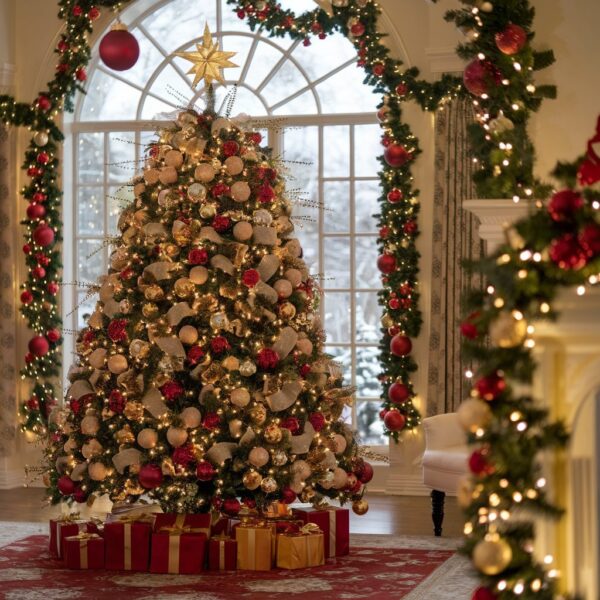
Some Christmas decorating combinations never go out of style, and red and gold are right at the top of that list. This traditional pairing creates a warm, festive tree that feels nostalgic, elegant, and instantly recognizable. It is perfect if you love the magic of a classic Christmas without worrying about whether the colors will still look beautiful next year.
Start with a mix of glossy red baubles, matte burgundy ornaments, and gold decorations in different sizes. Add warm-white string lights, a gold star or decorative tree topper, and a few red velvet ribbons to bring everything together. If you want extra depth, tuck in gold foliage picks or a little natural greenery between the branches.
Designer Tip
Use at least three finishes, such as matte, glossy, and metallic, to make the decorations feel layered. Keeping the red and gold tones consistent throughout the tree helps it look coordinated rather than overcrowded.
2. Elegant White and Silver Christmas Tree
If you love a Christmas tree that looks bright, sophisticated, and almost magical, white and silver are a beautiful choice.
Start with white or silver ornaments, clear glass baubles, delicate snowflakes, and a few shimmering decorations that catch the light. A flocked tree works particularly well for this theme because its snowy branches create a soft winter-inspired backdrop. Finish with cool-white or warm-white lights, depending on the atmosphere you want to create.
The beauty of this look is its simplicity. You do not need dozens of different ornament styles to make it work. A carefully chosen collection of white, pearl, and silver decorations can make the tree feel luxurious without competing for attention. Add a silver tree collar or a white fabric tree skirt for a polished finish.
Luxury Look for Less
Mix inexpensive white baubles with a handful of glass-look ornaments and metallic accents. The variation in texture creates visual interest, making the tree look more expensive without requiring a complete set of designer decorations.
3. Rustic Farmhouse Christmas Tree
A rustic farmhouse Christmas tree brings together natural textures, cozy details, and traditional holiday charm. It is ideal if you love interiors that feel relaxed and welcoming rather than overly formal.
Begin with warm-white lights, wooden ornaments, burlap or linen ribbon, and simple cream baubles. Add pinecones, small wooden stars, and a few understated red accents if you want a more traditional farmhouse appearance. A tree with natural-looking branches works beautifully, especially when paired with a woven basket or galvanized metal container at the base.
For a fuller look, use wide fabric ribbon that gently follows the shape of the tree rather than wrapping it tightly around every branch. The result should feel collected and natural, as if the decorations have been gathered over several Christmas seasons.
Cozy Factor
Natural wood, soft fabrics, and warm lighting create a welcoming atmosphere that pairs beautifully with neutral furniture, wooden floors, and traditional farmhouse interiors.
4. Champagne and Gold Luxury Christmas Tree
If you want your Christmas tree to look like it belongs in a luxury hotel lobby, champagne and gold offer a wonderfully sophisticated starting point.
Choose ornaments in champagne, antique gold, soft bronze, and warm ivory. Incorporate different shapes, including oversized baubles, delicate teardrops, textured spheres, and metallic decorative picks. Warm-white lights will bring out the golden tones and give the branches a beautiful glow after dark.
The trick is to avoid using too many competing colors. Champagne and gold already provide plenty of visual richness, so there is no need to add bright red, blue, purple, and every other ornament you happen to own. A coordinated palette makes the tree feel intentional and elegant.
You can finish the look with a large gold star, a champagne velvet bow, or a cluster of decorative branches at the top. Underneath, a neutral tree skirt or a simple gold-toned collar keeps the overall design cohesive.
Why This Works
The different gold finishes create depth while staying within the same color family. Soft ivory breaks up the metallic tones, and warm lighting ties everything together without making the tree feel too shiny.
5. Candy Cane Christmas Tree
For a cheerful, playful Christmas tree, a candy cane theme brings plenty of personality without requiring complicated decorating techniques.
Start with a green or lightly flocked tree and decorate it with red-and-white striped ornaments, oversized candy cane decorations, peppermint-inspired baubles, and white ribbon. You can also add red bows, glossy white spheres, and a few larger statement ornaments to fill gaps between the branches.
For a more polished look, repeat the candy cane pattern throughout the tree instead of mixing it with lots of unrelated novelty ornaments. A consistent red-and-white palette keeps the theme recognizable while making the tree feel thoughtfully decorated.
This theme is especially lovely for family homes, children’s play areas, or anyone who enjoys a little extra fun during the holidays. It also photographs beautifully, which is helpful if your Christmas tree is destined to appear in every family group chat.
Personal Take
A candy cane tree is a great reminder that Christmas decorating does not always need to be serious. Keep the colors coordinated, choose a few oversized ornaments, and let the playful details do the work.
6. Natural Greenery and Woodland Christmas Tree
If you prefer a Christmas tree that feels connected to nature, a woodland theme is a beautiful way to bring the outdoors into your holiday decorating.
Choose wooden ornaments, pinecones, felt animals, miniature mushrooms, and natural-looking berry picks. Warm-white lights add a gentle glow, while simple brown, cream, and forest-green accents keep the palette grounded. You can also incorporate small bird ornaments or delicate wooden stars for a little extra character.
This theme works particularly well with a tree that has realistic branches and varied textures. Rather than filling every gap with shiny baubles, allow the greenery to remain visible and use ornaments to highlight the tree’s natural shape.
For the base, consider a woven basket, a neutral fabric skirt, or a wooden-style tree collar. A few wrapped presents in kraft paper with simple ribbon will complete the look beautifully.
Designer Tip
Choose ornaments made from a mixture of wood, felt, and natural-looking materials. Vary their sizes and distribute them evenly so the tree feels full without losing its woodland character.
7. Scandinavian Minimalist Christmas Tree
Scandinavian Christmas decorating is all about simplicity, natural materials, and understated beauty. If you love clean interiors and uncluttered styling, this theme can make holiday decorating considerably easier.
Start with a green tree and decorate it with wooden stars, white ceramic-look ornaments, paper decorations, and simple fabric bows. Keep the lights warm and subtle, and avoid filling every branch with ornaments. The goal is to let the tree’s natural shape remain part of the design.
A limited palette of white, cream, pale wood, and soft green makes choosing decorations much simpler. You can even make your own paper stars or simple wooden ornaments if you enjoy a little DIY decorating.
Finish with a linen tree skirt, a woven basket, or a simple wooden collar. Place a few neatly wrapped presents beneath the tree in neutral paper with matching ribbon to complete the understated look.
Watch Out For
Minimalist does not mean unfinished. Make sure the ornaments are distributed evenly and the tree has enough lights to create a warm glow. Too few decorations placed randomly can make the tree look incomplete rather than intentionally simple.
8. Blue and Silver Winter Wonderland Tree
Blue and silver create a cool, elegant Christmas tree that feels inspired by frosty mornings and snowy winter landscapes.
Choose ornaments in icy blue, deep navy, pale silver, and clear glass. You can mix snowflake decorations with metallic baubles, glittering stars, and frosted decorative picks to create a layered winter effect. A flocked tree works especially well, although a traditional green tree can look just as beautiful with the right color balance.
For a more sophisticated appearance, use pale blue and silver as the dominant colors, then introduce a few deeper blue ornaments for contrast. This prevents the tree from looking too pale or washed out.
Add warm-white lights if you want the blue tones to feel cozy, or cool-white lights for a more icy, sparkling appearance. Finish with a silver star or a cluster of frosted branches at the top.
Why This Works
Silver reflects light, while blue creates contrast and depth. Mixing pale and deep blue ornaments gives the tree dimension without introducing too many colors.
9. Red Velvet and Gold Christmas Tree
Red velvet and gold create a rich, traditional Christmas tree with a little extra drama. This theme is perfect if you love classic holiday colors but want a more luxurious finish.
Use deep red velvet ribbon, burgundy ornaments, gold baubles, and warm-white lights. Oversized velvet bows can replace some of the traditional ornaments, giving the tree a softer and more decorative appearance. Add a few gold stars or metallic decorative picks to catch the light between the branches.
The key is to choose reds with similar undertones. Deep crimson, wine red, and burgundy usually work beautifully together, while too many competing shades can make the tree look less cohesive.
A gold or neutral tree skirt will help ground the design, and presents wrapped in cream paper with red ribbon will carry the theme through to the base.
Luxury Look for Less
Use wide red ribbon to create several generous bows throughout the tree, then fill the remaining gaps with affordable gold baubles. Ribbon creates plenty of visual impact without requiring an expensive collection of large ornaments.
10. Rustic Red, Green, and Plaid Christmas Tree
For a Christmas tree that feels warm, traditional, and a little nostalgic, combine classic red and green with plaid patterns and cozy textures.
Start with a green tree, then add red baubles, deep-green ornaments, plaid ribbon, and wooden decorations. You can incorporate small fabric bows, pinecones, and a few cream accents to soften the stronger colors. Warm-white lights help the entire tree feel inviting rather than overly bold.
This theme looks particularly beautiful in farmhouse interiors, traditional living rooms, and homes with wooden furniture or stone fireplaces. You can also extend the look to the rest of the room with plaid cushions, matching stockings, and coordinated gift wrapping.
Do not feel obligated to use plaid on every branch. A few strategically placed ribbon sections will give the tree its character without making the pattern overwhelming.
Cozy Factor
The combination of familiar Christmas colors, soft ribbon, and natural textures creates a nostalgic atmosphere that feels especially inviting on cold evenings spent at home.
11. Blush Pink and Rose Gold Christmas Tree
If you love a softer, more modern Christmas aesthetic, blush pink and rose gold offer a lovely alternative to traditional red and green.
Begin with blush, dusty pink, champagne, and rose-gold ornaments. Add a few ivory baubles to create contrast, then use warm-white lights to bring out the gentle metallic tones. A white or lightly flocked tree can make the pink decorations stand out, while a traditional green tree gives the palette a warmer foundation.
For a fuller, more luxurious appearance, mix shiny baubles with matte ornaments, textured spheres, and delicate ribbon. Rose-gold stars or floral-inspired decorations can add interest without making the tree look overly sweet.
The theme also works beautifully with neutral living rooms, pale upholstery, and gold or brass accents. If you want the look to feel sophisticated rather than sugary, keep the pink shades muted and avoid mixing too many bright colors into the arrangement.
Designer Tip
Use blush pink as the main accent color, then rely on champagne and ivory to balance it. This gives the tree a softer, more grown-up appearance while keeping the overall design festive.
12. Black and Gold Modern Christmas Tree
A black and gold Christmas tree is a bold option for anyone who prefers modern interiors and dramatic decorating choices.
Start with a green tree and introduce matte black ornaments, gold baubles, black velvet ribbon, and a few metallic stars. The contrast between dark and reflective finishes creates a striking look, especially when the tree is illuminated with warm-white lights.
If you want something even more dramatic, you can use a black artificial tree with gold and champagne decorations. However, a traditional green tree is often easier to style and works well if you want the theme to complement the rest of your living room.
Keep the ornaments varied in size, using larger gold baubles to create focal points and smaller black decorations to add depth. A simple black, gold, or neutral tree collar will finish the design without introducing another competing element.
Watch Out For
Too many black ornaments can disappear against a dark tree, especially in a dim room. Use gold, champagne, and clear ornaments strategically so the overall design remains visible and balanced.
13. Gingerbread-Inspired Christmas Tree
A gingerbread Christmas tree brings a deliciously cozy, whimsical touch to holiday decorating. It is especially charming if you love baking, traditional Christmas treats, or decorations inspired by childhood memories.
Start with a green tree and add gingerbread-house ornaments, cookie-shaped decorations, candy-inspired baubles, and warm brown accents. Cream ribbon, white icing-style details, and small red ornaments can help recreate the look of a beautifully decorated gingerbread village.
For a more sophisticated interpretation, use a palette of caramel, cinnamon, cream, and muted red. Wooden cookie-shaped ornaments and simple gingerbread figures can provide the theme without making the tree feel too busy.
You can also place gingerbread-house decorations beneath the tree or arrange a few matching pieces on a nearby console table. This makes the theme feel connected to the rest of the room rather than limited to the branches.
Personal Take
This is one of the most charming themes for a family Christmas tree because it feels playful and nostalgic without needing expensive decorations. Just be careful not to confuse the decorative cookies with the real ones waiting in the kitchen.
14. Natural Gold and Green Christmas Tree
Gold and green create a beautiful balance between natural simplicity and holiday elegance. This theme works particularly well if you want a tree that feels festive but still complements a sophisticated living room.
Begin with a traditional green tree and add ornaments in antique gold, champagne, and warm ivory. Incorporate a few natural-looking pinecones, gold foliage picks, and soft ribbon to create depth. Warm-white lights will highlight the gold accents while keeping the greenery rich and inviting.
For a more organic appearance, choose brushed or matte gold rather than relying entirely on highly reflective ornaments. A mixture of textures will give the tree a more layered, designer-inspired look.
You can also use the same palette throughout the room by decorating a mantel with greenery and gold candleholders or placing matching ornaments in a decorative bowl. The result feels coordinated without requiring every surface to look identical.
Why This Works
Green provides a natural backdrop, while gold introduces warmth and brightness. The two colors complement each other beautifully, making it easy to create a polished tree with relatively few ornament styles.
15. Cozy Neutral Christmas Tree
If you love soft, understated interiors, a neutral Christmas tree may be exactly what you need. This theme uses cream, beige, ivory, taupe, and natural wood to create a warm holiday look that feels elegant without relying on bright colors.
Choose ornaments in a variety of finishes, including matte cream baubles, pearl-like spheres, wooden stars, and textured neutral decorations. Add warm-white lights and a few fabric bows in linen or velvet to introduce softness.
A green tree provides a beautiful contrast against the lighter ornaments, while a flocked tree creates a brighter, winter-inspired appearance. You can also add subtle champagne accents if you want a little sparkle without moving away from the neutral palette.
Complete the look with a chunky knit tree skirt, a woven basket, or a simple cream fabric base. Wrap gifts in kraft paper, ivory paper, or neutral fabric with matching ribbons to keep the entire display cohesive.
Luxury Look for Less
A neutral palette makes it easier to mix affordable ornaments with a few special pieces. Focus on texture, balanced placement, and warm lighting rather than buying large quantities of decorations. The result can look beautifully expensive without requiring an expensive shopping list.
Wrapping It Up
Choosing a Christmas tree theme makes holiday decorating much easier because it gives you a clear direction before you unpack a single ornament. Instead of trying to make every decoration work together, you can focus on a few complementary colors, repeat your favorite textures, and build a tree that feels cohesive from top to bottom.
The best theme is the one that suits your home, your decorating style, and the kind of Christmas atmosphere you want to create. Classic red and gold bring traditional charm, natural greenery adds rustic warmth, and modern combinations such as champagne and ivory offer a more understated look.
You also do not need to buy an entirely new collection of decorations every year. Start with what you already own, choose a theme that works with those pieces, and add a few carefully selected accents to complete the look.
After all, decorating the Christmas tree should be one of the enjoyable parts of the holiday season, not an annual exercise in trying to make seventeen unrelated baubles get along.